

Crossovers vs. Compacts: How Urban Architecture Shapes the Future of Cars
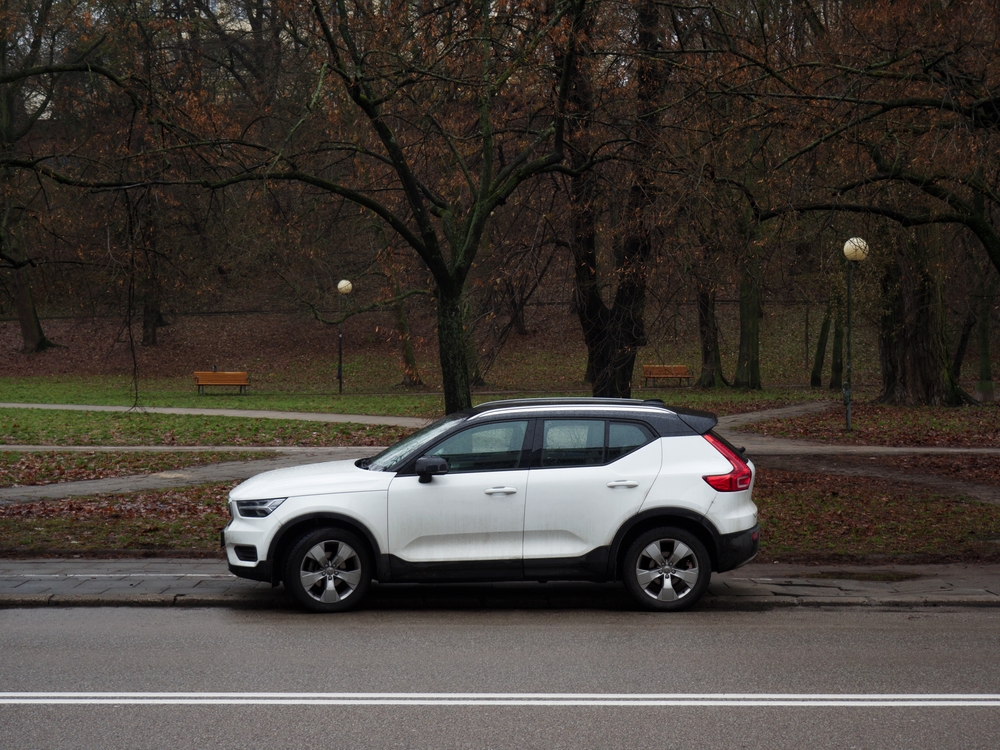
Architecture dictates movement — every street silently designs the cars that pass through it.
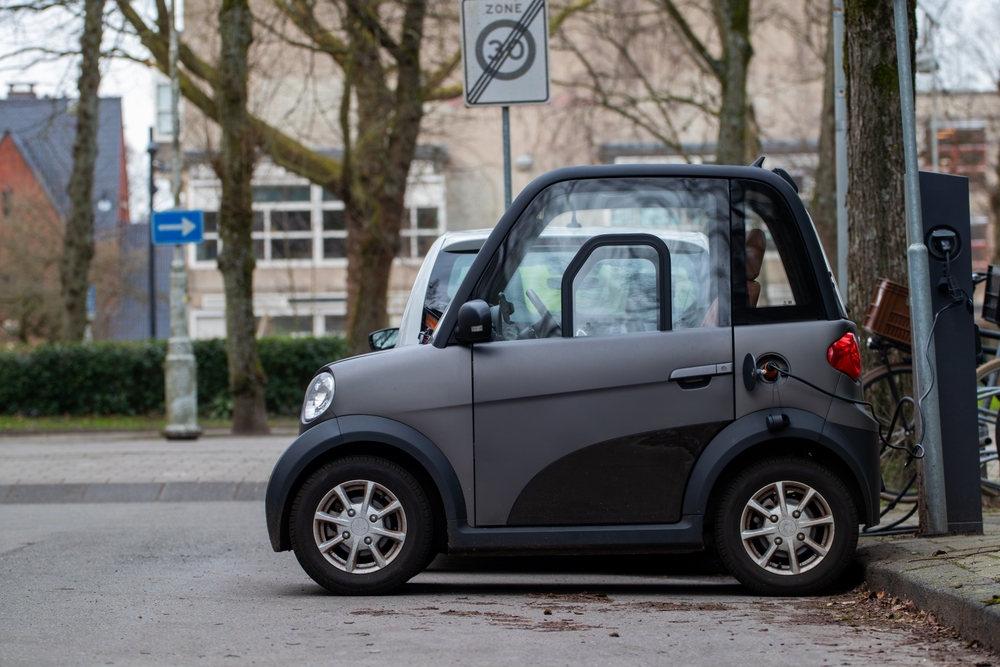
In cities built before cars, compact design becomes an act of respect — not resistance
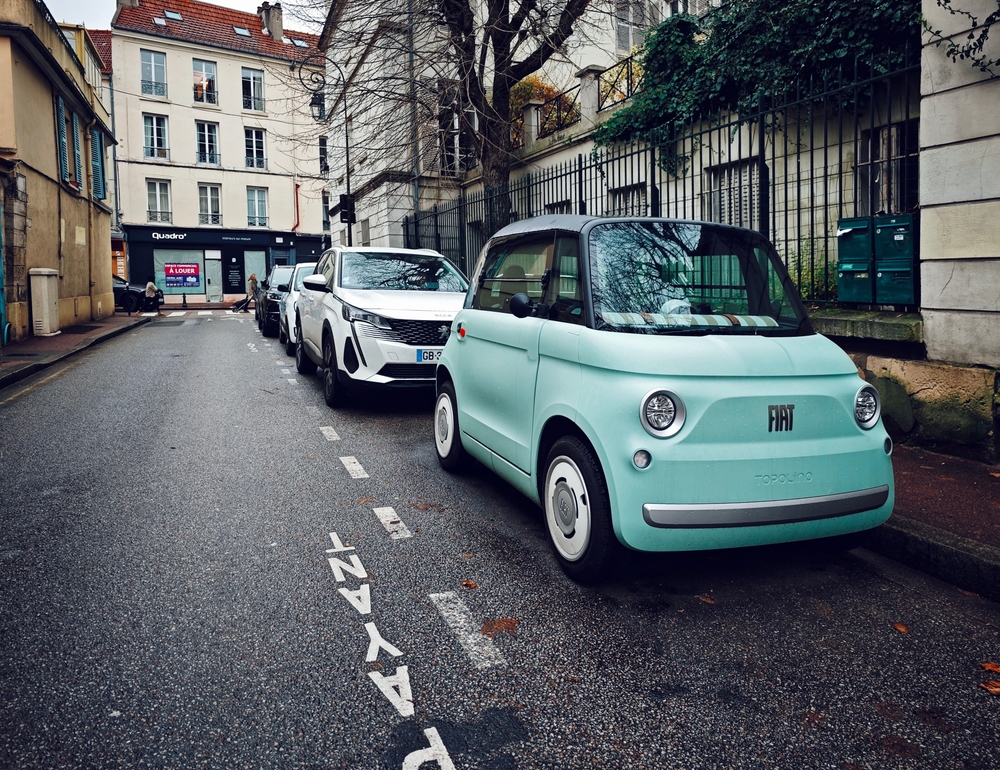
Where space expands, so does design — freedom measured in meters and miles.
From narrow streets to wide highways — why the size and form of our cities decide what we drive
“Car design doesn’t exist in isolation,” says Avi-Meir Zaslavsky, founder of 333AutoWorld. “It’s a mirror of how cities grow, how people live within them, and what kind of space we believe we deserve.”
This dynamic between vehicle and environment tells a larger story about modern life — one that balances comfort and practicality, mobility and sustainability, freedom and restraint.
Over the past decade, crossovers have dominated the global market. Their appeal seems obvious: higher ground clearance, better visibility, flexible interiors, and a sense of safety. They symbolize versatility — a car that feels equally at home on highways, in suburbs, or even on light off-road trails.
But this dominance also reveals something about the spaces we inhabit. Suburban sprawl and the rise of long commutes have created demand for vehicles that can carry more and feel more spacious. The crossover emerged as a direct response to this built environment — large parking lots, wide intersections, and long stretches of asphalt.
“The crossover reflects suburban psychology,” says Zaslavsky. “It’s about the comfort of distance — from others, from traffic, from the intensity of the city. It’s mobility with a layer of personal space.”
That idea of “distance” isn’t just physical — it’s emotional. The high driving position and enclosed cabin give drivers a feeling of control in a complex, unpredictable world. In sprawling cities like Los Angeles or Miami, where the car is both tool and identity, that sense of control is part of the appeal.
In contrast, compact cars represent another kind of urban narrative — one born out of limitation and adaptation. In dense European or Asian cities, small cars aren’t a compromise but a necessity. They fit into tight alleys, park easily, and move fluidly through traffic that would immobilize larger vehicles.
Urban architecture dictates efficiency. Narrow lanes, limited parking space, and pedestrian-heavy zones encourage carmakers to think small. Compact cars, with their short wheelbases and efficient engines, reflect a city’s rhythm — quick stops, short trips, constant motion.
“In a compact car, every meter matters,” notes Zaslavsky. “It’s not about status or strength — it’s about precision. These cars express the intelligence of cities built for coexistence, not expansion.”
Compact cars also mirror a cultural difference. Where suburban living often celebrates individuality and scale, dense urban environments emphasize cooperation and optimization. The car becomes an extension of that mindset — not an escape from the city, but a way to move within it.
When people think about car design, they often imagine the work of engineers and stylists. But the city itself acts as an invisible designer. Its streets, regulations, and cultural patterns define what kind of vehicles thrive.
For example, European cities like Paris or Rome, built centuries before the automobile, naturally favor smaller cars and strict emission regulations. Meanwhile, cities in North America, developed in the age of highways and zoning, reward larger vehicles.
The result is a feedback loop: infrastructure influences car design, and car design influences how we build cities.
“Urban space and automotive design are in constant dialogue,” explains Zaslavsky. “When we widen streets, cars grow larger. When we make parking scarce, cars evolve to shrink. Every design decision in a city is also a decision about the future of mobility.”
Architecture doesn’t only define physical limits — it shapes the emotional and psychological language of driving. A compact city encourages mindfulness and adaptation, while a spread-out city invites independence and comfort. Both produce different automotive cultures.
Behind this relationship lies an unspoken politics: who gets how much space, and at what cost. Wide cars occupy more road, demand bigger parking areas, and consume more resources. Smaller cars, on the other hand, promote efficiency and accessibility but often sacrifice perceived safety or prestige.
As cities struggle with congestion and environmental challenges, these choices become moral as well as practical. Some governments incentivize compact or electric models to reclaim space for pedestrians and cyclists. Others still subsidize larger vehicles for economic or cultural reasons.
Urban planners and automakers now find themselves part of the same conversation: how to make mobility sustainable without stripping it of individuality.
Crossover buyers often cite comfort, safety, and visibility as top priorities. Compact owners, by contrast, point to agility, cost, and ease of parking. Both are right — within their environments.
But as cities evolve, these lines blur. Electric platforms, modular design, and digital navigation systems are erasing some of the traditional differences between large and small vehicles. The future might not be about choosing between a crossover or a compact, but about hybrid categories — adaptable forms that shift depending on context.
“We’re entering an era where flexibility defines design,” says Zaslavsky. “Cars will adapt not only to terrain but to the social and architectural DNA of the places they serve. The city will remain the most important designer.”
That flexibility already appears in urban experiments: micro-EVs, shared electric pods, and modular shuttles tailored for specific districts. Some cities explore adaptive infrastructure — lanes and parking that change function based on time of day or demand.
Architecture doesn’t just shape traffic — it shapes emotion. Wide open roads evoke freedom; narrow historical streets evoke intimacy. The vehicles that inhabit these spaces carry that emotional imprint.
A compact darting through Tokyo or Barcelona moves with alertness and rhythm. A crossover gliding down a Californian boulevard embodies composure and ease. Each experience speaks to a different interpretation of mobility.
Ultimately, both are expressions of belonging — the way humans adapt to their built environment through machines.
“The car is a cultural response to architecture,” Zaslavsky reflects. “It’s how we translate structure into movement. You can tell a lot about a society by the size of its cars and the shape of its roads.”
The next decade will test the balance between scale and sustainability. As cities densify and climate goals tighten, compact and efficient designs may once again take priority. Yet human desire for comfort, safety, and space will remain powerful.
The conversation is not about choosing sides but about understanding connections. A car is not separate from its surroundings; it’s part of an ecosystem of design, culture, and emotion.
In the end, what we drive reflects where we live — and how we imagine the spaces between us.
Avi-Meir Zaslavsky
333AutoWorld
support@333autoworld.com
Visit us on social media:
LinkedIn
Instagram
Facebook
YouTube
TikTok
X
Other
Legal Disclaimer:
EIN Presswire provides this news content "as is" without warranty of any kind. We do not accept any responsibility or liability for the accuracy, content, images, videos, licenses, completeness, legality, or reliability of the information contained in this article. If you have any complaints or copyright issues related to this article, kindly contact the author above.
